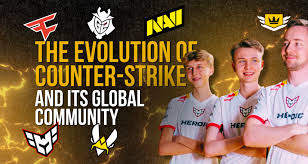

The historical significance of the Counter-Strike franchise is unparalleled in the realm of interactive media. Since the early days of CS 1.6, the game has acted as a catalyst for the global expansion of esports, turning a niche hobby into a mainstream spectacle. Its core design—pitting two teams against each other in a battle of tactics and reflexes—has proven to be an indestructible formula. Even as newer shooters attempt to introduce complex hero systems and advanced mobility, the stripped-back, high-stakes nature of Counter-Strike continues to command the attention of millions worldwide.
As the primary platform for competitive gaming remains the PC, ensuring that the software runs flawlessly on modern hardware is a top priority for enthusiasts. Many players seek to download CS 1.6 for Windows to experience the game on a stable, high-performance architecture that supports modern peripherals and high refresh-rate monitors. This synergy between classic software and contemporary hardware is a testament to the game’s timeless design, allowing it to remain competitive in an industry that usually favors the newest technology over legacy excellence.
The Evolution of the Global Meta
The ‘meta’ in Counter-Strike is a living organism that has evolved through decades of trial and error. What began as simple ‘rush’ tactics has transformed into a complex dance of utility and timing. Teams today utilize ‘contact plays,’ where they avoid using utility to hide their presence, or ‘executes,’ where a flurry of smokes and flashes are thrown simultaneously to overwhelm a site. This constant evolution is driven by the community’s ingenuity, as players find new ways to exploit the game’s physics and map layouts. Every update, no matter how small, sends ripples through the competitive scene, forcing players to adapt or be left behind.
Economic Mastery and the Pressure of the ‘Force Buy’
The economy is the backbone of the Counter-Strike experience. Managing the team’s bank account over a 30-round match requires discipline and foresight. The most interesting aspect of this is the ‘force buy’—a high-risk strategy where a team spends their last remaining funds on pistols and armor despite having a low chance of winning. A successful force buy can completely flip the momentum of a half, putting the opponent in a state of financial ruin. This strategic gambling adds a layer of depth that keeps the game unpredictable and exciting for both players and spectators.
Map Geography: The Tactical Sandbox
Maps like de_inferno, de_mirage, and de_overpass are more than just battlegrounds; they are tactical sandboxes. Each map features unique characteristics that favor different playstyles. Overpass is known for its verticality and long rotations, while Inferno is characterized by its narrow ‘choke points’ and the importance of controlling ‘Banana.’ Mastery of these environments requires thousands of hours of study, as players learn to predict rotations and time their movements to perfection. The maps are the silent narrators of the game’s history, bearing witness to some of the greatest plays ever made.
The Psychology of the 1vX Clutch
The ‘clutch’ is the ultimate test of a player’s nerves. Standing alone against multiple enemies, a player must rely on game sense, timing, and pure mechanical skill to survive. The psychological pressure of a 1vX situation is immense, yet it is where legends are born. Success in these moments requires more than just good aim; it requires the ability to remain calm under fire and outthink the opposition. The silence of the teammates, the ticking of the clock, and the sound of enemy footsteps all contribute to a sensory experience that is unique to the Counter-Strike franchise.
Community and Modding: The Creative Heartbeat
Counter-Strike’s longevity is deeply tied to its roots in the modding community. From the beginning, players have had the freedom to create their own maps, game modes, and skins. This creative freedom has led to the birth of entirely new genres, such as ‘Surf’ and ‘Kreedz’ (KZ), which focus on movement mechanics rather than combat. The community’s ability to innovate within the game’s engine has kept the experience fresh, providing a diverse range of activities for players who may want a break from the intense competitive grind of the main matchmaking system.
Conclusion: The Future of the Defuse
With the successful transition to Counter-Strike 2, the franchise has solidified its place for the next decade of gaming. The inclusion of responsive, volumetric smoke and the move to the Source 2 engine are significant leaps forward, but they are built upon the same foundations established over twenty years ago. The future of Counter-Strike lies in its ability to maintain this balance—innovating where necessary while respecting the core mechanics that made it a global phenomenon. As long as there is a desire for pure, skill-based competition, Counter-Strike will continue to be the standard by which all other tactical shooters are measured.