
My cousin called me last month, annoyed as hell. His cable company raised the price again, third time this year, and half his channels still keep freezing mid-show. He asked me what to do. Honestly, I didn’t even have to think about it.
Cable just isn’t built for how people watch TV anymore. You’re paying for channels you never open, stuck with a contract you can’t get out of easily, and still dealing with buffering during the one match you actually wanted to watch.
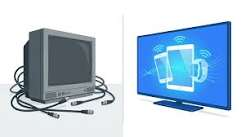
That’s why so many people are quietly walking away from cable and switching to IPTV instead. No dish, no technician, no nonsense. Just your internet and a device you already own.
What Is IPTV, In Plain Words
Let’s keep this simple. IPTV means Internet Protocol Television. In easy words, your TV channels come through the internet, not through cables or a satellite dish.
You don’t need a big box on your wall. You don’t need a guy to drill holes in your house. You just need a device like a smart TV, a phone, or a small streaming box, and a decent internet connection.
Once that’s set up, you open an app, log in, and your channels show up. That’s the whole thing. No drama, no waiting around for days.
Cable vs IPTV, What’s Actually Different
Cable has been around forever. Your parents probably had it. It still works, sure, but it comes with baggage. You get locked into a package. You pay for a hundred channels but only watch ten of them. And if something breaks, good luck getting someone on the phone fast.
An IPTV service works the other way. You pick a plan that fits you. You get a big list of channels, often from many countries, and you don’t need any dish sitting on your roof. You watch on your phone, your TV, or even your laptop. Moving house? No problem, your channels move with you.
This is exactly why more people, especially families who moved to a new country, are dropping cable and picking IPTV instead.
Why Indian IPTV Is Such A Big Deal Right Now
If you’re Indian and living outside India, you already know this feeling. You miss home. Not just the food or the people, but the everyday stuff too, like hearing your own language on TV.
This is exactly why Indian IPTV has become so popular lately. People want their news in Hindi. They want their serials, their regional shows, their cricket matches live, without any delay. Regular cable abroad just doesn’t offer any of this properly.
A good Indian IPTV plan brings together channels from all over India, in all kinds of languages. Hindi, Punjabi, Tamil, Telugu, Bengali, Gujarati, Marathi, you name it. One subscription, and it’s all there. No need to juggle five different apps or five different bills.
This matters a lot for parents too. Older folks living abroad with their kids often find English content hard to follow. Watching their own language gives them something familiar. It’s a small comfort, but it means a lot when you’re far from home.
Reasons People Are Picking IPTV Over Cable
- No dish or heavy equipment sitting around your house
- Works on smart TVs, phones, tablets, and streaming boxes
- Way more channels than a basic cable package gives you
- No long contracts, cancel whenever you feel like it
- Channels from many countries and languages, all in one place
- Setup takes minutes, not days
None of these reasons are small on their own. But put them together, and it’s easy to see why people are done with cable.
What To Check Before Picking An IPTV Service
Here’s the thing though, not every IPTV provider is good. Some have terrible streaming quality. Some vanish after a couple of months and take your money with them. So before you jump in, check a few basic things first.
First, look at how many channels they actually offer, and whether those channels match what you’d actually watch. There’s no point paying for a provider with a thousand channels if none of them are ones you care about.
Second, ask about a free trial. If a provider is confident about their service, they’ll let you test it first. That tells you a lot right there.
Third, and this one’s important, check their customer support. Streaming depends on servers and the internet, so stuff can go wrong sometimes. What matters is how fast they fix it when it does. A provider that replies quickly saves you a ton of headache later on.
A Simple Comparison: Cable TV vs IPTV Service
Numbers and words only go so far. Sometimes it’s easier to just see things side by side. So here’s a quick table that lays out cable and IPTV, point by point.
| Feature | Cable TV | IPTV Service |
| Setup | A technician has to visit | You can set it up yourself |
| Equipment | Dish or cable box | Smart TV, phone, or small box |
| Contract | Usually long-term | Usually flexible and monthly |
| Channel Variety | Limited by your area | Many channels and languages |
| Extra Fees | Often has extra fees | Prices are usually clear |
| Watching While Traveling | Not easy | Works anywhere with internet |
Look at this table for a second. This is basically why homes everywhere are quietly dropping cable and moving to internet-based TV. It’s not some passing trend anymore. It’s just becoming the normal thing to do.
How Indian Families Abroad Actually Use IPTV
Morning news in Hindi over breakfast. Evening serials while making dinner. Weekend movies with the whole family piled on the couch. This is just a regular routine now for a lot of Indian households living in the US, Canada, and other places too.
Kids get something out of it as well. They get to hear their parents’ language through cartoons and kids shows made just for them. Cable providers abroad barely ever offer this, and when they do, it’s usually not done well.
And then there’s cricket season. That’s when demand goes up big time. Fans want to watch matches live, no buffering, and they want commentary in their own language too. A solid Indian IPTV service becomes a must during these months, not just some nice-to-have extra.
Where Guru IPTV USA Comes Into All This
This is exactly the gap Guru IPTV USA tries to fill. It’s built for Indian households living in the USA who want their regional channels without dealing with a messy setup process. The IPTV service here covers a huge mix of Indian languages, plus movies and on-demand content, all through one single subscription.
What really stands out is how simple it is. There’s no long installation, no waiting around for a technician. You pick a plan, get your login sent to you, and you’re watching within minutes. If you’re new to IPTV, this makes the whole switch feel way less scary.
If you want to test things out first before committing to anything, there’s a short trial you can try too. It’s a good way to make sure everything actually runs smooth on your own devices before you spend any real money.
Wrapping This Up
Switching from cable to an IPTV service isn’t some huge decision, but it’s definitely becoming an easier one to make. The setup is simple, you get way more choice, and the pricing is usually way more honest than what cable companies charge.
For Indian families living abroad, Indian IPTV has turned into something bigger than just entertainment. It’s become a small way to stay close to home, one channel at a time. And as more providers keep improving their quality and support, this shift away from cable isn’t slowing down anytime soon.